
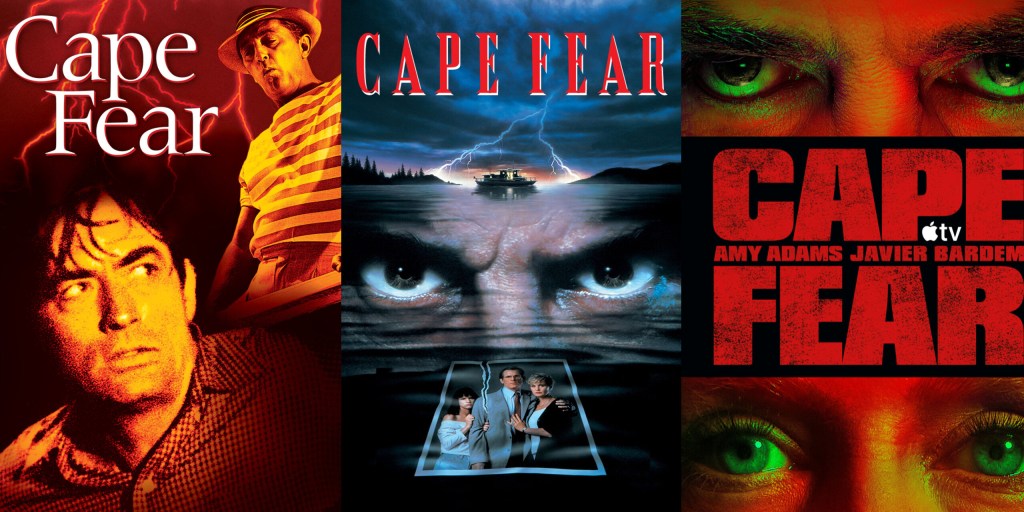
Before Cape Fear was a star-studded Hollywood blockbuster—or a slick, binge-worthy Apple TV+ thriller—it was a lean, mean 1957 suspense novel titled The Executioners by pulp master John D. MacDonald.
While best known for his iconic Travis McGee detective series, MacDonald was a master of tension. In The Executioners, he crafted a terrifyingly grounded study of vulnerability, obsession, and how quickly normal life can shatter when absolute malice comes knocking on your front door.
If you are following the latest TV adaptation, taking a look back at where the nightmare began reveals how much the story’s DNA has evolved—and why its central monster still grips us.
The Plot: A Different Kind of Vendetta
In the modern screen versions, Sam Bowden is typically a defense lawyer with questionable ethics or marital secrets, and Max Cady is an ex-con seeking payback for a botched defense.
MacDonald’s original 1957 setup is far more primal:
- The Witness: Sam Bowden isn’t Cady’s lawyer—he’s an upright family man and former WWII Army officer. Fourteen years earlier, while stationed in Australia, Bowden witnessed a brutal assault committed by a fellow soldier named Max Cady and testified against him at a court-martial.
- The Monster: Cady serves over a decade in a military prison, nursing a psychotic, hyper-focused obsession with the man who put him away. When he gets out, he doesn’t just want to kill Bowden; he wants to systematically destroy his life, his family, and his sanity first.
- The Siege: What follows is a slow-burn nightmare. Cady arrives in the Bowdens’ quiet town, lurking just past the property line, poisoning the family dog, making veiled threats, and exploiting every legal loophole to stay just outside the reach of the police.
Why the Book Hits Differently
While film adaptations lean heavily into cinematic showdowns—like the chaotic, storm-tossed houseboat climax made famous in Scorsese’s 1991 film—MacDonald’s novel is an intensely claustrophobic psychological thriller.
The core horror of The Executioners isn’t supernatural; it’s the realization of systemic helplessness. Bowden turns to the law, but because Cady hasn’t committed an explicit, violent crime yet, the police can’t lock him up. The novel forces a law-abiding citizen to confront a terrifying question: How far are you willing to go to protect your family when the system fails you?
MacDonald strips away suburban comfort layer by layer, forcing Bowden to abandon his civilized ideals and descend into a dark, desperate mindset just to survive.
The Legacy of Max Cady
Max Cady remains one of crime fiction’s most enduring figures because he represents pure, unreasoning malice. He isn’t interested in money or power—he is driven entirely by revenge. Whether portrayed on screen by Robert Mitchum, Robert De Niro, or Javier Bardem, Cady’s blueprint was drawn right here in 1957: intelligent, patient, cunning, and completely devoid of empathy.
Following the smash success of the 1962 movie starring Mitchum and Gregory Peck, publishers began printing the novel under the title Cape Fear. But no matter what title is on the cover, MacDonald’s original text remains a masterclass in suspense that paved the way for generations of psychological thrillers.
Have you read the original novel or checked out the screen adaptations? How do you think the classic story holds up today? Let’s chat in the comments!
From Pulp to Prestige: The Screen Evolution of Cape Fear
When John D. MacDonald published his tense 1957 thriller The Executioners, he spawned a narrative monster that cinema—and now television—cannot stop returning to. Over six decades, the story of stalker Max Cady and the Bowden family has evolved through three distinct screen eras, shifting from a stark noir thriller into an operatic masterpiece, and finally into a sprawling streaming drama.
1. The Classic Noir Foundation: Cape Fear (1962)
- Release Date: April 12, 1962
- Director: J. Lee Thompson
- Screenplay: James R. Webb
- Key Cast: Gregory Peck (Sam Bowden), Robert Mitchum (Max Cady), Polly Bergen (Peggy Bowden), Lori Martin (Nancy Bowden), Martin Balsam (Chief Mark Dutton)
The Setup & Major Plot Shifts
Following MacDonald’s novel reasonably closely, the 1962 film frames Sam Bowden as a fundamentally good, morally uncompromised lawyer. Cady targets Bowden simply because Sam witnessed him commit a crime years earlier and testified against him.
Creative Style & Major Tie-Ins
Directly channeling the tension of Alfred Hitchcock, director J. Lee Thompson leaned on a menacing, brass-heavy score by legendary composer Bernard Herrmann (famed for Psycho and Vertigo). Mitchum played Cady with a sleazy, smirking arrogance that felt shocking for 1960s Hollywood censorship standards, instantly cementing the character as one of cinema’s top villains.
2. The Operatic Remake: Cape Fear (1991)
- Release Date: November 15, 1991
- Director: Martin Scorsese
- Screenplay: Wesley Strick
- Key Cast: Robert De Niro (Max Cady), Nick Nolte (Sam Bowden), Jessica Lange (Leigh Bowden), Juliette Lewis (Danielle Bowden), Joe Don Baker (Claude Kersek)
Major Plot Changes: Complicity & Guilt
Scorsese completely flipped the moral black-and-white of the original on its head:
- The Legal Betrayal: Instead of an innocent witness, Nick Nolte’s Sam Bowden was Cady’s public defender. Bowden illegally buried evidence of the victim’s promiscuity because he felt Cady was a monster who deserved prison. Cady teaches himself law while in prison, discovers the cover-up, and seeks retribution.
- The Fractured Family: The Bowdens are no longer a wholesome 1950s nuclear family. Sam is an unfaithful husband, Leigh is deeply resentful, and 15-year-old Danielle is caught in the crossfire—leading to the famous, unsettling auditorium scene between De Niro and Lewis.
- Gothic Villany: De Niro’s Cady evolves from a slick criminal into a tattooed, Nietzsche-quoting, fanatical force of divine retribution.
Major Tie-Ins & Homages
- The Legendary Cameos: In a brilliant tip of the hat to the 1962 film, Scorsese cast original stars Robert Mitchum (as Police Lieutenant Elgart), Gregory Peck (as Cady’s defense attorney Heller), and Martin Balsam (as the judge) in pivotal supporting roles. This marked Gregory Peck’s final feature film performance.
- The Re-imagined Score: Elmer Bernstein adapted and re-recorded Bernard Herrmann’s original 1962 score, amplifying its apocalyptic weight.
- Opening Sequence: Iconic graphic designer Saul Bass (who created Hitchcock’s famous credit sequences) designed the haunting opening water titles.
3. The Modern Streaming Re-imagining: Cape Fear (2026 TV Series)
- Release Date: June 5, 2026 (Apple TV+)
- Creator/Showrunner: Nick Antosca (Brand New Cherry Flavor, The Act)
- Key Cast: Javier Bardem (Max Cady), Amy Adams (Anna Bowden), Patrick Wilson (Tom Bowden), CCH Pounder, Juliette Lewis
Major Plot Shifts: Expanded Focus & New Dynamics
- Dual Lawyer Dynamic: The series broadens the legal conflict by focusing on both married attorneys, Anna (Amy Adams) and Tom Bowden (Patrick Wilson).
- The Shift in Perspective: The 10-episode format allows the show to peel back decades of secret domestic tensions, legal cover-ups, and systemic flaws. Javier Bardem’s Max Cady isn’t just lurking in the shadows; he systematically infiltrates every edge of their professional and personal lives.
Behind-the-Scenes Powerhouse Tie-Ins
- Producers: The series achieved massive pedigree by bringing together Martin Scorsese and Steven Spielberg as executive producers. (Spielberg originally owned the rights to the 1991 film and traded project slates with Scorsese so Scorsese could direct Cape Fear while Spielberg did Schindler’s List).
- The Legacy Cast Return: Continuing the tradition of former cast members returning, Juliette Lewis (who earned an Oscar nomination as the young Danielle Bowden in 1991) returns to the franchise in a featured role.
Comparative Snapshot
| Feature | Cape Fear (1962) | Cape Fear (1991) | Cape Fear (2026) |
| Format | Feature Film (105 min) | Feature Film (128 min) | 10-Episode Series |
| Max Cady | Robert Mitchum | Robert De Niro | Javier Bardem |
| Sam/Tom Bowden | Gregory Peck | Nick Nolte | Patrick Wilson |
| Anna/Leigh Bowden | Polly Bergen | Jessica Lange | Amy Adams |
| Bowden’s Role | Innocent witness | Defective public defender | Co-counsel power couple |
| Core Tone | Tight Noir Suspense | Operatic / Psychological Horror | Atmospheric Noir / Mystery |


