
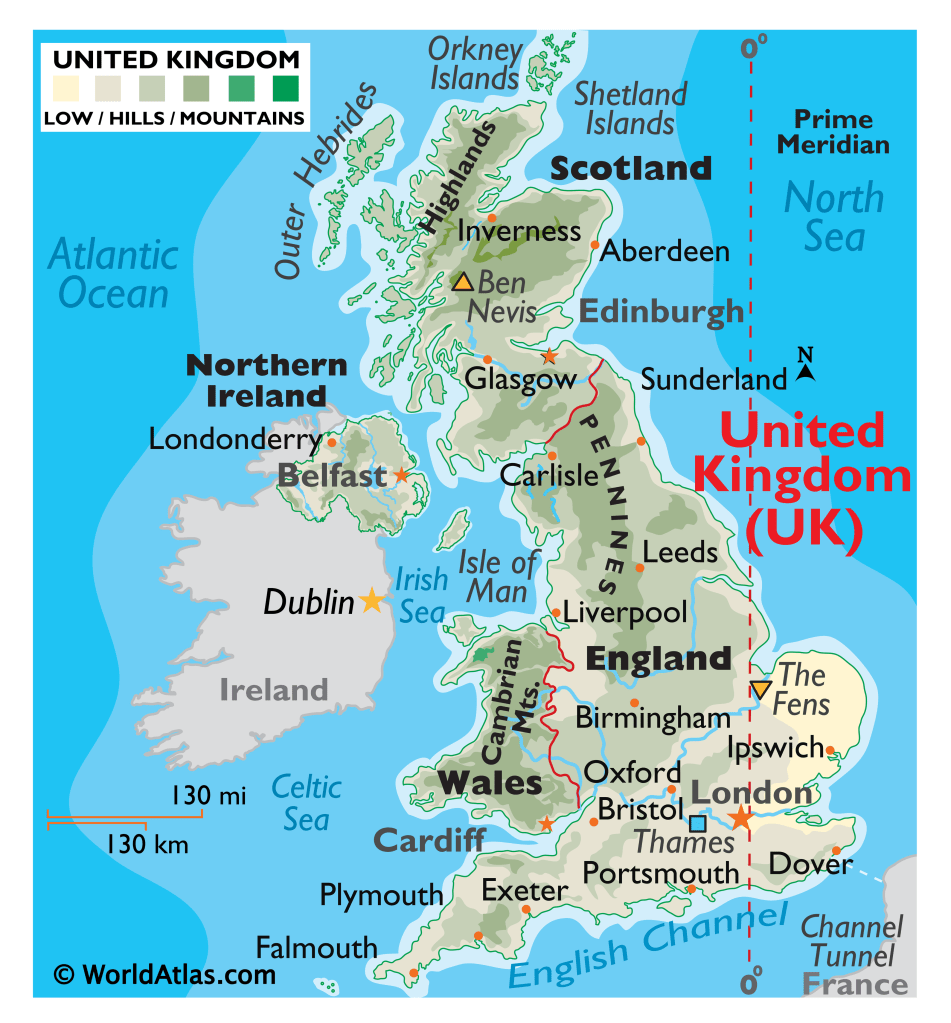
While our journey through British paranormal tales has touched upon the ancient origins of ghosts and the intricate world of the Fae, the supernatural landscape of the British Isles is far more diverse. Beyond the spectral figures and mischievous “good people,” lurk other entities that have long fueled fears and shaped folklore: witches, and even a unique strain of vampires. This post delves into these often-fearsome figures, exploring their roles and characteristics within British tradition.
Fairies: More Than Just Mischief
As we’ve seen, the Fae are not always the benevolent, whimsical creatures of modern tales. In older British folklore, their categorization was often fluid, blurring lines with other unseen entities. Fairies were sometimes believed to haunt specific locations, and some even considered them to be the souls of the dead.1 Historical accounts from the 16th to 18th centuries show that ghosts, fairies, angels, and demons exhibited remarkably similar characteristics, with their identification often depending on the context of their appearance.1
Beyond their potential connection to the deceased, the Fae were historically held responsible for inflicting sudden and mysterious illnesses, rashes, and pains upon humans and their animals.2 This darker side of their nature highlights the respect and caution with which they were traditionally regarded, far from the innocent sprites of popular imagination.
Witches: Healers, Hags, and Historical Persecution
Witchcraft holds a significant and often tragic place in British folklore, deeply influenced by historical events such as the infamous Pendle witch trials.3 Initially, figures identified as “witches” were often local healers or wise women, trusted for their knowledge of herbs and remedies.4 However, as societal anxieties grew, particularly during periods of religious upheaval, these individuals became increasingly linked to malevolent forces and dark magic.
The fear of witchcraft led to widespread persecutions across Britain. It’s notable that the methods of execution for accused witches varied by region: in England, they were typically hanged, while in Scotland, they were strangled before their bodies were burned.5 King James I, who ruled both Scotland and England, was particularly interested in witchcraft, even writing a treatise called
Daemonologie after personally intervening in the North Berwick witch trials in Scotland. This period solidified the image of the witch as a malevolent figure in the collective consciousness.
Vampires: The “Evil Blood” of the Isles
While Eastern Europe is famously associated with vampires, the British Isles also possess their own distinct, albeit less prominent, vampiric folklore. The Gaelic phrase “Droch-fhuil,” meaning “evil blood,” defines British and Irish vampires. These entities are not always the seductive, aristocratic figures of Bram Stoker’s Dracula, though Stoker himself was an Irishman, and his work drew inspiration from the region’s lore.
Historical practices reflect a deep-seated fear of the undead. In Scotland, for instance, bodies suspected of being vampires were staked to the earth during burial to prevent them from returning to life. The emergence of the “vampire” as a distinct entity in British lore is noted in the 17th and 18th centuries.6
One chilling example is the Dearg Due, an Irish female demon whose name literally translates to “red bloodsucker”. She is said to seduce men and then drain them of their blood. Folklore suggests that building a mound of stones on her grave is a way to prevent her annual resurgence. The “Alnwick vampire” is another interesting, though less detailed, local legend.7
These tales of witches and vampires, alongside the more ambiguous Fae, paint a comprehensive picture of the diverse supernatural beliefs that have shaped British culture. They reflect a society grappling with the unknown, seeking explanations for misfortune, and weaving cautionary tales into the very fabric of its identity.
Footnotes
1 Haughton, Brian. “The Folklore of Ghosts and Hauntings.”
Brian Haughton.com, n.d. https://brian-haughton.com/ancient-mysteries-articles/folklore-ghosts-hauntings/
3 National Library of Scotland. “Witches.”
National Library of Scotland, n.d. https://www.nls.uk/learning-zone/literature-and-language/themes-in-focus/witches/
5 English Heritage. “Witchcraft: Eight Myths and Misconceptions.”
English Heritage, n.d. https://www.english-heritage.org.uk/learn/histories/eight-witchcraft-myths/
6 Cardiff University. “The Supernatural.”
Cardiff University, n.d. https://data.cardiff.ac.uk/legacy/grails/module/CE5049/14A.html
7 Reddit. “Local folklore and spooky tales.”
Reddit, March 20, 2024.(https://www.reddit.com/r/NewcastleUponTyne/comments/1bnigll/local_folklore_and_spooky_tales/)
2 Lapham’s Quarterly. “The Prehistory of the Fairy Realm.”
LaphamsQuarterly.org, n.d. https://www.laphamsquarterly.org/roundtable/prehistory-fairy-realm
4 Spooky Isles. “Top 10 Most Disturbing Welsh Folk Legends.”
Spooky Isles, n.d. https://www.spookyisles.com/creepiest-welsh-ghosts-monsters/
The Irish Jewelry Company. “Top 10 Scary Irish Mythological Creatures.” TheIrishJewelryCompany.com, n.d. https://www.theirishjewelrycompany.com/blog/post/top-10-scary-irish-mythological-creatures
Phil Parker. “The A to Z of British and Irish Mythological Creatures.” PhilParker-FantasyWriter.com, n.d. https://www.philparker-fantasywriter.com/post/the-a-to-z-of-british-and-irish-mythological-creatures
English Heritage. “Witchcraft: Eight Myths and Misconceptions.” English Heritage, n.d. https://www.english-heritage.org.uk/learn/histories/eight-witchcraft-myths/
University of Essex. “The Vampire Myth: A Psychoanalytical Interpretation.” University of Essex, n.d. https://publications.essex.ac.uk/esj/article/209/galley/537/download/
Ranieri Tour Operator. “Legends of Florence: Discover Italian Esoterism.” RanieriTourOperator.com, n.d. https://www.ranieritouroperator.com/en/legends-of-florence-discover-italian-esoterism/


 Paranormal POV
Leave a comment