
Bram Stoker’s Dracula has inspired countless adaptations, reimaginings, and rip-offs. But perhaps the most famous (and legally contentious) adaptation is F.W. Murnau’s 1922 silent film, Nosferatu. While the film clearly lifts the plot and characters from Stoker’s novel, there are some significant differences. So, what exactly are those differences, and why were they made?
Plot and Character Changes
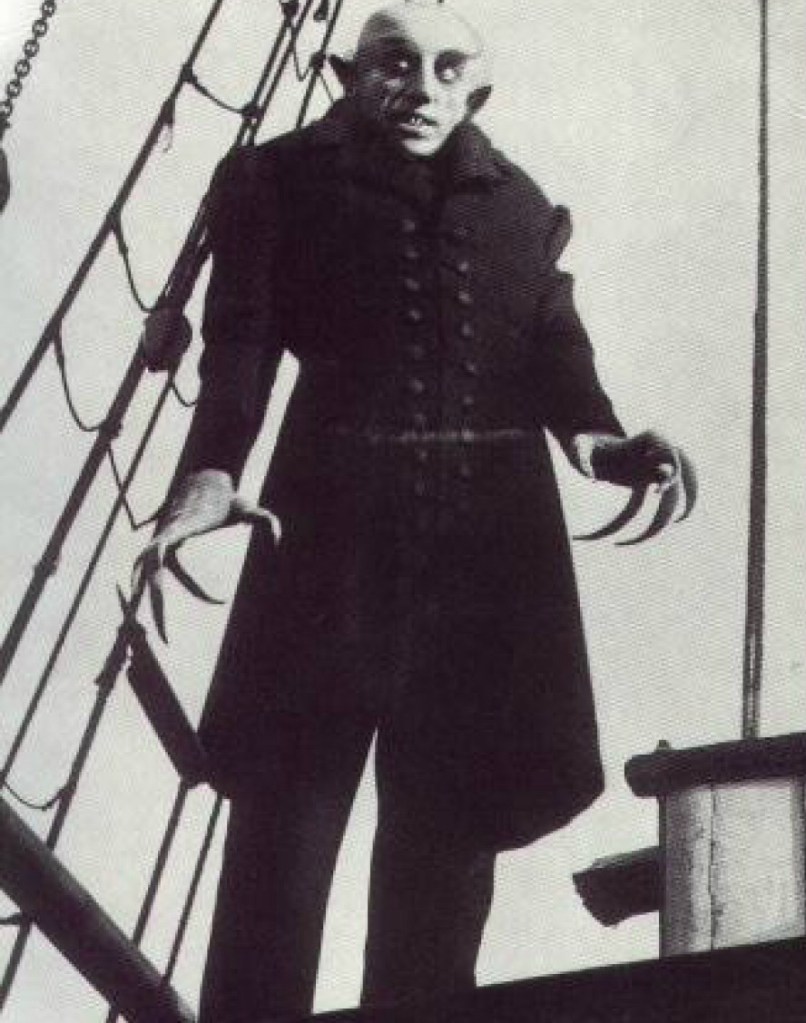
The most obvious change is the name of the vampire himself. Count Dracula becomes Count Orlok. The names of other characters are also changed: Jonathan Harker becomes Thomas Hutter, Mina becomes Ellen, and so on. The basic plot remains the same, but there are some key differences in the details. For instance, in Nosferatu, Orlok’s plague-carrying rats are much more central to the story than they are in the novel.
Why the Changes?
The reason for these changes is simple: copyright infringement. Murnau and his team did not have the rights to Stoker’s novel, so they made changes to the names and some plot details in an attempt to avoid legal trouble. However, this attempt was unsuccessful. Stoker’s widow sued the filmmakers, and the court ruled in her favor, ordering all copies of the film to be destroyed. Luckily for film history, some copies survived, and Nosferatu is now considered a classic of German Expressionist cinema.
Beyond Copyright
Beyond the legal reasons, the changes between Dracula and Nosferatu also reflect the different artistic visions of the creators. Stoker’s Dracula is a suave and seductive aristocrat, while Murnau’s Orlok is a grotesque and monstrous figure. This difference in portrayal likely stems from the different mediums of the two works. A silent film in the 1920s simply couldn’t capture the nuances of Dracula’s character in the same way that a novel could.
The Legacy
Despite the legal battles and the creative differences, Nosferatu remains a powerful and influential adaptation of Dracula. It has helped to shape the popular image of the vampire, and its influence can be seen in countless other films, television shows, and books. The film’s eerie atmosphere, its iconic imagery, and its unforgettable portrayal of the vampire as a monstrous creature continue to fascinate and frighten audiences to this day.
Have you seen both Dracula and Nosferatu? What do you think of the differences between the two? Let us know in the comments!


 Paranormal POV
Leave a comment