
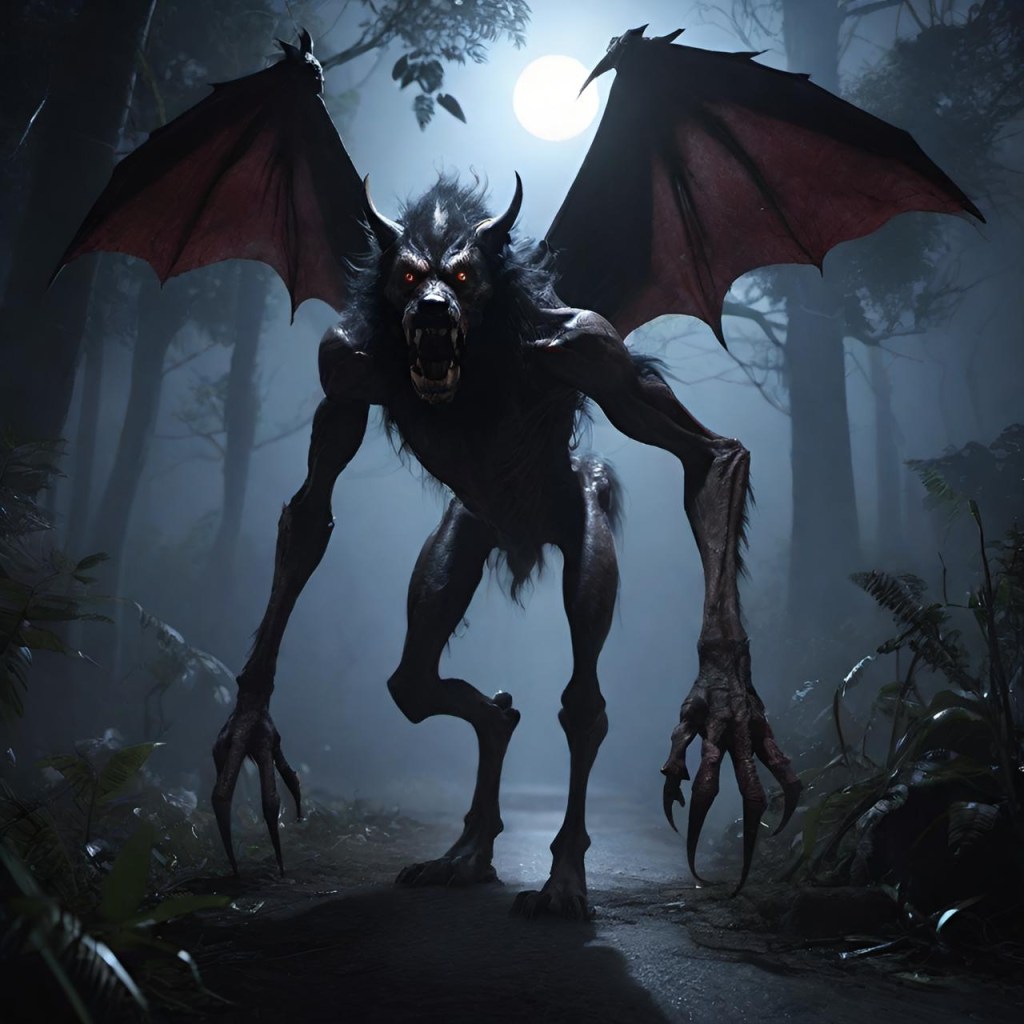
The Philippines boasts a rich tapestry of myths and legends, and among its most terrifying creatures lurks the Aswang. This shapeshifting monstrosity is no mere night stalker; it’s a chilling embodiment of primal fears, blurring the lines between human and beast.
By Day, Your Neighbor. By Night, a Nightmare
Imagine a seemingly ordinary person you might encounter during your day – a friendly vendor, a quiet farmer, perhaps even a trusted relative. But as the sun dips below the horizon, this seemingly harmless individual sheds their human guise, transforming into a grotesque dog-like creature with a ravenous hunger. This is the Aswang, a creature best avoided under the cloak of night.
A Feast for the Unfortunate
Aswang prey on unsuspecting victims, draining their blood with a long, snake-like tongue. But their taste for the macabre doesn’t stop there. Aswang are particularly notorious for their craving for unborn babies, striking fear into the hearts of pregnant women. This dark aspect reflects the deep-seated value Filipinos place on family and the vulnerability of childbirth.
More Than Just a Monster: A Touch of Witchcraft
The Aswang’s connection to witchcraft adds another layer of dread to the legend. Aswang are often believed to be practitioners of dark magic, able to craft potions and perform rituals that fuel their transformations and enhance their monstrous abilities. This association reinforces the idea of the Aswang as a creature not just physically dangerous, but also a symbol of malevolent intent.
Warding Off the Aswang: Faith and Folklore
Despite their fearsome reputation, Filipinos have developed methods to ward off the Aswang. Garlic, salt, and holy objects are believed to repel them, while windows and doors are secured with ash to prevent entry. These practices highlight the importance of faith and community in facing the darkness.
The Aswang’s Enduring Legacy
The Aswang legend continues to hold a powerful grip on the Filipino imagination. It serves as a cautionary tale, reminding us of the potential for evil to lurk beneath the surface of normalcy. But it also speaks to the resilience of the human spirit, with its emphasis on protective rituals and the fight against unseen threats. So, the next time you visit the Philippines, listen closely to the whispers under the moonlight. You might just learn a new way to keep the Aswang at bay.


 Paranormal POV
Leave a comment