
Forget capes and fangs, Chinese folklore offers a different kind of blood-sucker: the hopping corpse, or Jiangshi. These reanimated bodies, with their stiff limbs and awkward hops, are driven by a single, primal urge – to consume the life energy (qi) of the living.
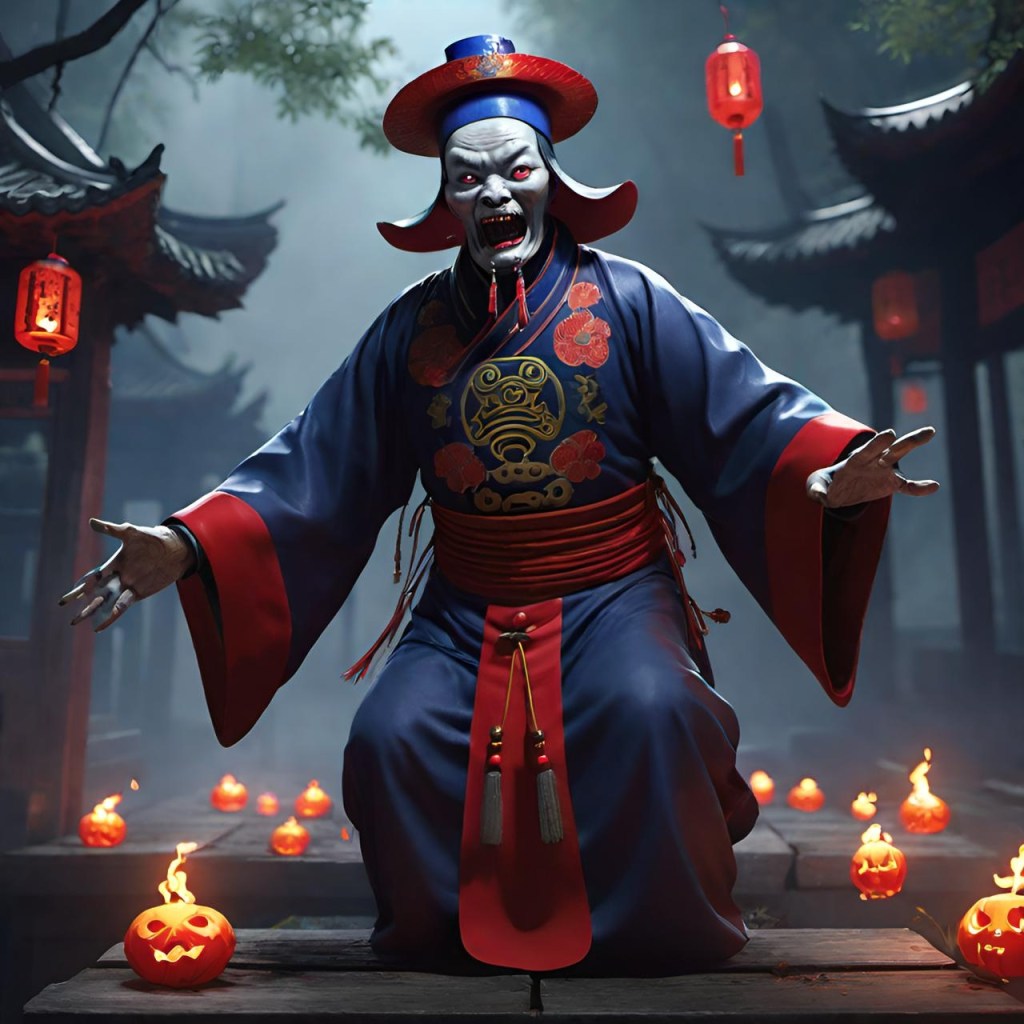
Not Your Typical Monster
While the Jiangshi shares some characteristics with Western vampires, there are key differences. Unlike Dracula, Jiangshi aren’t inherently evil. Their reanimation can stem from various causes: a violent death, improper burial, or even being born under an unlucky star. This imbues them with a powerful hunger for qi, but not necessarily a malicious intent.
Keeping the Jiangshi at Bay
Fear not, intrepid traveler! There are ways to ward off these hopping horrors. Traditionally, Jiangshi are said to be repelled by strong smells, like black dog blood or glutinous rice. They also have a hilarious aversion to mirrors – their reflection is said to disrupt their qi flow. In a pinch, throwing coins on the ground can distract a Jiangshi with its insatiable greed for earthly possessions.
From Legends to Cult Classics
Jiangshi lore has captivated Chinese audiences for centuries, inspiring countless stories and artworks. In the 20th century, they became stars of Hong Kong’s “hopping vampire” films, a delightful blend of horror, comedy, and martial arts. These movies showcased the often comical aspects of Jiangshi, with hopping corpses defeated by quirky rituals and ingenious traps.
A Look Beyond the Hop
The Jiangshi legend reflects a deep-seated cultural fascination with death and the afterlife in China. The fear of restless spirits and improper burial rituals fueled these stories, offering a way to explain the unknown and anxieties surrounding mortality.
So, the next time you’re in China, keep an eye out for a stiffly hopping figure with a hankering for qi. Just remember, a well-placed mirror or some pocket change might be all you need to send this undead nuisance hopping back to its coffin.


 Paranormal POV
Leave a comment