
Clowns. They’re supposed to be the masters of mirth, the life of the party. But for some, the sight of a painted face and oversized shoes triggers not laughter, but terror. This intense fear of clowns, known as coulrophobia, is more common than you might think.
A Jester Through Time:
Clowns have a long and fascinating history. Their roots can be traced back to ancient Egypt and Greece, where court jesters entertained with wit and acrobatics. Fast forward to the Middle Ages, and jesters evolved into more flamboyant figures, often wearing masks and colorful clothing. While their primary role was still entertainment, some jesters took on a more satirical edge, poking fun at authority.
The Science of Scary:
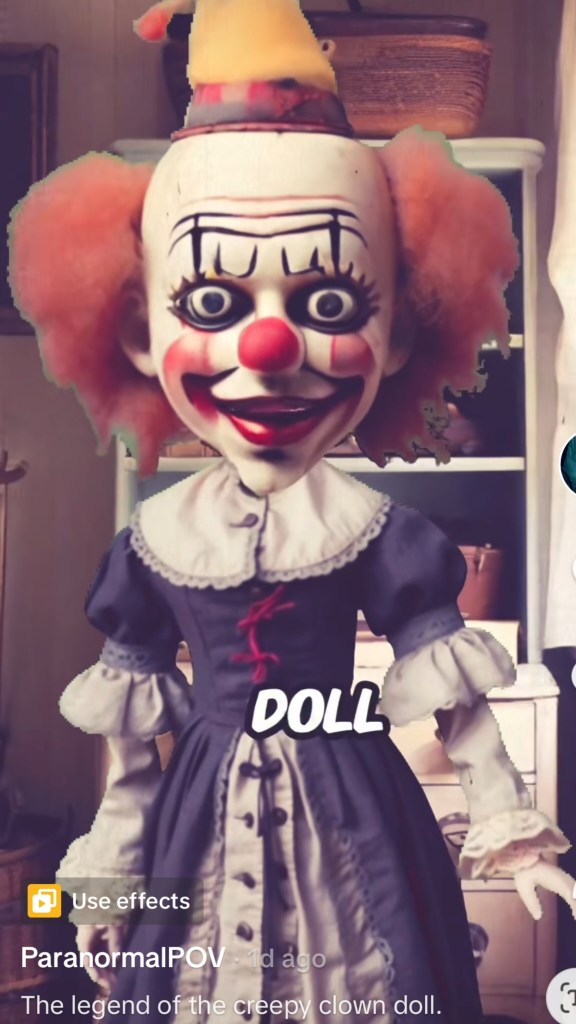
So, why do some people find these supposed harbingers of happiness downright horrifying? Psychologists offer a few explanations. One theory focuses on the uncanny valley. This concept describes the unsettling feeling we get when something appears human but not quite right. A clown’s exaggerated makeup and oversized features fall into this uncanny valley, triggering a primal fear of the unfamiliar.
Another theory points to the incongruence between a clown’s appearance and behavior. The bright colors and goofy antics mask the person underneath, creating an uncertainty that can feel threatening. Pop culture depictions of menacing clowns, like Stephen King’s Pennywise, can further solidify this negative association.
Real-World Jitters:
Let’s not forget personal experiences. A negative encounter with a clown in childhood, even something seemingly minor, can leave a lasting impression. This conditioning can lead to the development of a full-blown phobia in adulthood.
Facing the Fear:
Coulrophobia can be a debilitating phobia, making birthday parties and circuses stressful situations. Thankfully, there is help available. Therapy techniques like exposure therapy can gradually desensitize people to clowns, allowing them to manage their fear.
So, the next time you see a clown, remember, not everyone finds them funny. But with a better understanding of this phobia, we can create a more inclusive and, well, less scary, atmosphere for everyone.


 Paranormal POV
Leave a comment