
In the ever-evolving landscape of technology and design, there exists a fascinating concept known as the Uncanny Valley—a peculiar space where the familiar meets the eerie, blurring the lines between human and artificial. This phenomenon, first identified in the field of robotics, has since permeated various aspects of our digital and creative endeavors, sparking curiosity and contemplation about the nature of human perception and emotional response.
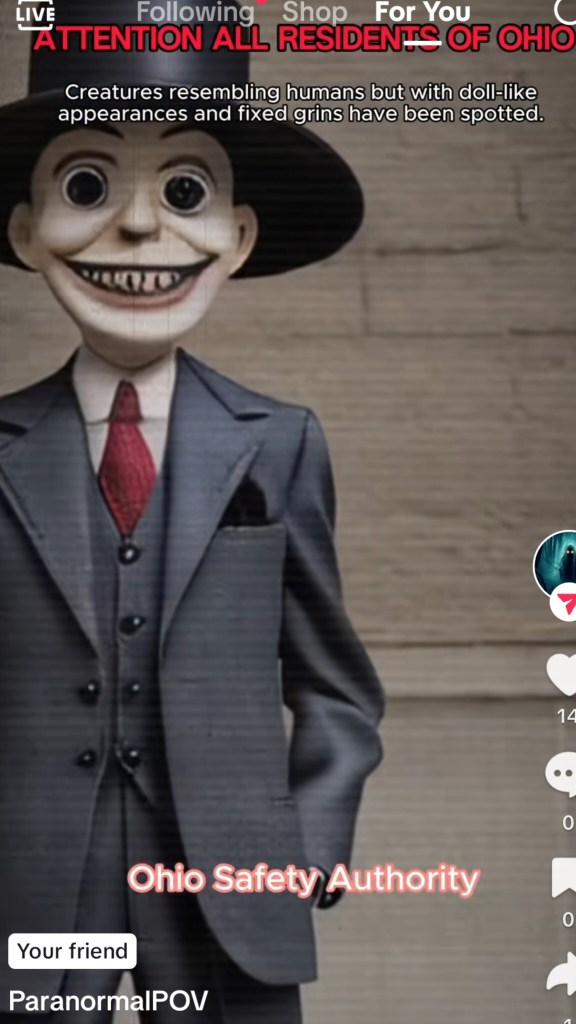
Defining the Uncanny Valley:
The Uncanny Valley refers to the unsettling sensation experienced when encountering objects or entities that closely resemble humans but fall just short of being convincingly lifelike. Coined by roboticist Masahiro Mori in 1970, this concept suggests that as a robot’s appearance becomes increasingly human-like, our emotional response to it becomes more positive—until a certain point is reached, beyond which the likeness becomes too close for comfort, eliciting feelings of unease or revulsion.
Exploring the Terrain:
Traversing the Uncanny Valley involves encountering a spectrum of representations, from abstract and clearly artificial to hyper-realistic and nearly indistinguishable from actual humans. Examples abound in various domains:
- Robotics: Humanoid robots, with their realistic facial features and gestures, often provoke mixed reactions, as seen in the reception of robots like Sophia and the Telenoid.
- Animation and Film: Digital characters in animated films and video games can evoke a sense of familiarity while still retaining an otherworldly quality, as exemplified by characters like Gollum in “The Lord of the Rings” or Elsa in “Frozen.”
- Virtual Reality: Avatars and virtual beings designed for VR experiences blur the boundaries between physical and digital presence, prompting questions about identity and embodiment in virtual spaces.
Navigating the Emotional Response:
The Uncanny Valley taps into deep-seated instincts and societal norms, triggering emotional responses that are as varied as they are intriguing:
- Revulsion: The subtle discrepancies between human and artificial features can evoke feelings of discomfort or even disgust, as our brains detect the incongruity and respond defensively.
- Fascination: Despite—or perhaps because of—the unease it provokes, the Uncanny Valley captivates our attention, inviting us to explore the limits of our perception and creativity.
- Cultural Context: Cultural factors shape our perceptions of what is familiar or acceptable, influencing how we navigate the Uncanny Valley in different contexts and societies.
Embracing the Journey:
Rather than avoiding the Uncanny Valley altogether, creators and innovators are increasingly embracing it as a frontier for experimentation and exploration. By pushing the boundaries of design and technology, they seek to bridge the gap between the artificial and the human, ultimately enriching our understanding of both.
In conclusion, the Uncanny Valley serves as a captivating intersection of art, science, and psychology—a terrain ripe for discovery and contemplation. As we continue to journey through this enigmatic landscape, let us embrace the complexities of our emotional responses and celebrate the ingenuity of those who dare to traverse its depths. After all, in the Uncanny Valley lies not just unease, but also the potential for profound insight and innovation.


 Paranormal POV
Leave a comment