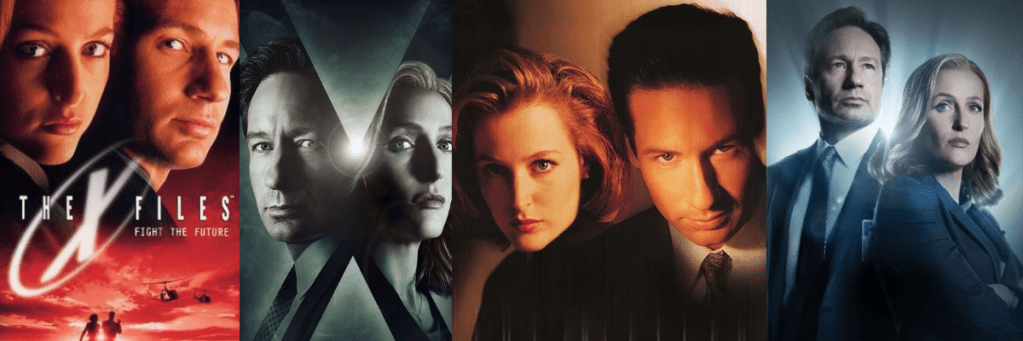
Dated back to June 19, 1998, “The X-Files: Fight the Future” served as a glowing beacon in the world of science fiction cinema, aiming to bridge the gap between television and film. This feature length film was set within the framework of the popular “The X-Files” TV series, skillfully crafted by Chris Carter. This pivotal addition was not simply an extension but a critical juncture, converging several ongoing series mythology arcs into a fascinating cinematic spectacle.
The Narrative Bridge
“Fight the Future” was strategically situated between the show’s fifth and sixth seasons. It not only acted as an interlude, but was a critical narrative junction in the cannon, featuring a grander exposure of an alien colonization plot – the series’ central mythos. This ‘movie-sode’ was smartly designed to cater the hardcore fans by presenting complicated conspiracy arcs, while it also incorporated standalone elements to appeal to the uninitiated audience.
Dazzling Cast and Seamless Continuity
Crucial to the film’s transition from the small screen was the retention of the series’ original cast – the chemistry of the actors was undeniable and pivotal to its success. David Duchovny reprised his role as FBI special agent Fox Mulder alongside Gillian Anderson as Dana Scully, his skeptical counterpart. The stare-secured, dynamic duo remained the heartbeat of the story, with Duchovny and Anderson’s portrayals lending credibility to the film’s exploration of the unknown.
Notable cameos came from Martin Landau, the esteemed actor well-known for classic TV series Mission: Impossible, and Blythe Danner of Meet the Parents fame. Their appearances added cinematic heft and were significant breadcrumbs connecting the television series and film universe.
Critical Reception and Cultural Impact
Upon its release, “Fight the Future” garnered mixed to positive reviews from critics – more so from dedicated followers as they savored the film revealing layers of truth behind the series’ long-running motifs. Nevertheless, Roger Ebert, the esteemed movie critic, lauded the movie’s capacity to balance the mysteries, stating, “It involved actual questions of why we are here and what we are doing and how an FBI agent’s job description could include the tunnel at the end of the light.”
The movie was credited for thriving on the anticipation and tension the series has persistently built upon. The emotional stakes were also intensified in the film, especially the bond between Mulder and Scully, which breathed life into the grander conspiracies.
On the box office turf, the film enjoyed success, grossing over $189 million worldwide against a $66 million budget. It helped ensure the longevity of the series in popular culture, and set the stage for more episodes and another film in 2008, “The X-Files: I Want to Believe”.
In retrospect, “The X-Files: Fight the Future” remains a captivating cinematic artifact, entangling complex series mythology within a vast, dramatic arc and pushing the boundaries of what television narratives usually dare to tackle. Even now, more than two decades after its release, it still manages to satiate the curiosity of fans, old and new, looking to explore the intriguing question – “The truth is out there, but can we ever know it?”
 Paranormal POV